The proposed $550,000 settlement resolves claims that Bankers Trust charged improper overdraft fees. Class members automatically receive a pro rata check or account credit plus forgiveness of uncollected overdraft fees; no claim form is required. The court has not yet approved the settlement.
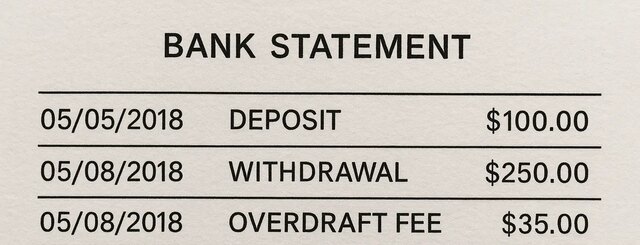
Benefit Summary
Class Members who remain in the settlement: Class Members are people Bankers Trust records show were assessed a Challenged Fee: certain APSN overdraft fees from December 1, 2016, through April 3, 2023, or certain Reg-E overdraft fees from December 1, 2022, through April 3, 2023. A person who excludes themselves receives no settlement benefits.
These benefits can combine when their individual eligibility and claim requirements are met. Class Members who do not exclude themselves will receive a settlement check or account credit from the Net Settlement Fund. The amount is based on their share of applicable Challenged Fees paid during the Class Period and will not exceed the applicable fees they paid. A settlement administrator determines the amount. Bankers Trust will forgive and charge off uncollected overdraft fees from the Class Period on Class Member accounts.
Court-approved attorneys’ fees, Class Counsel expenses, notice and administration costs, and the Class Representative’s service award are paid from the Settlement Fund before distributions. Benefits are provided after final approval, entry of judgment, and resolution of any appeals (or if no appeals are filed).
Available Awards
Pro rata payment, up to fees paid
Who Is Included
Bankers Trust records must show that the person was assessed a Challenged Fee. Challenged Fees include specified APSN overdraft fees from December 1, 2016, through April 3, 2023, and specified Reg-E overdraft fees from December 1, 2022, through April 3, 2023. People who exclude themselves are not eligible for benefits.
- Proof required: No claim form or documentation of monetary losses is required. Eligibility is based on Bankers Trust’s records showing an assessed Challenged Fee; recipients may report an address change by phone.
Claim and Payment Information
- Claim method: Automatic distribution; no claim submission is required.
- Instructions: No claim form is required. If your address changes, call the number in the notice to report the change so payment can reach you.
Questions & Answers
Which overdraft fees are covered?
The settlement covers only the two types of overdraft fees listed in the notice and only within their respective date ranges. The notice says that receiving an addressed email or postcard means Bankers Trust’s records identify you as a Class Member. If you are unsure whether you were included, the notice provides a phone number to check.
- APSN Fees: overdraft fees on debit-card transactions that were authorized when the available balance was sufficient, from December 1, 2016 through April 3, 2023.
- Reg-E Fees: overdraft fees on one-time debit-card or ATM transactions, from December 1, 2022 through April 3, 2023.
How will the payment amount be calculated?
Your payment is not a fixed amount or a full refund. It depends on the amount of covered fees attributed to you compared with the total covered fees paid by all Class Members who remain in the settlement. The settlement administrator will calculate it.
The December 18 order approved $188,094.42 in attorneys’ fees, $13,236.74 in expenses and a $5,000 representative award. Source checked September 9, 2026: https://cw.simpluris.com/docs/public/downloads/BJC1/FINAL_APPROVAL_ORDER
- The available money is divided according to each remaining Class Member’s share of the applicable Challenged Fees they paid.
- The payment cannot be more than the applicable fees you paid. The notice says recipients will likely receive less.
- The distribution is reduced by court-approved attorneys’ fees and expenses, notice and administration costs, and the Class Representative’s service award before the remaining fund is divided.
Are there benefits besides a payment?
The settlement provides more than the cash fund. If you have qualifying uncollected overdraft fees, the settlement also provides debt forgiveness for those fees. The notice uses “and/or,” so the benefits that apply can include a payment or credit, debt forgiveness, or both.
The notice values the cash plus debt relief at no less than $564,283.26. The cash fund itself is $550,000; neither figure is an individual payment.
- The notice says a Class Member may receive a settlement check or an account credit.
- Bankers Trust also agreed to forgive and charge off uncollected overdraft fees from the Class Period on Class Member accounts.
- These benefits are available only to people who do not exclude themselves, if the settlement becomes final and they are eligible.
Do I need to file a claim or send proof?
You do not need to submit a claim or provide documents to receive the automatic benefits described in the notice. Keeping your address current can help ensure that a check reaches you.
- No claim form is required.
- The supplemental objection/exclusion deadline has passed.
- Report an address change or ask about payment status at (844) 496-1128. The official site and notice footer use this number; notice question 19 lists a different number. Source checked September 9, 2026: https://www.btsettlement.com/.
When could benefits be distributed, and what happens to unclaimed money?
The Court approved the settlement December 18, 2025. On March 2, 2026 it ordered supplemental notice for 31 omitted members and reset payment timing for everyone: if there were no objections, current-account credits are due 60 days and former-account checks 70 days after a revised final approval order or another order directing payment. These are not deadlines measured from March 2. The document list reviewed does not show the later payment-directing order or confirm distribution. Sources checked September 9, 2026: https://cw.simpluris.com/docs/public/downloads/BJC1/FINAL_APPROVAL_ORDER and https://cw.simpluris.com/docs/public/downloads/BJC1/ORDER_GRANTING_DEFENDANT_APOSTROPHE_S_MOTION_FOR_LIMITED_RELIEF_FROM_FINAL_JUDGMENT
- Cashing a check or receiving an account credit can matter for later distributions of remaining funds.
- The notice says remaining funds go to a Court-approved charity once further individual distributions are not feasible.
How do I exclude myself, and what do I give up?
The April 27, 2026 deadline has passed. The official March 2 update says it applied to omitted members receiving supplemental notice after March 2; it was not a new claim deadline for everyone. Source checked September 9, 2026: https://www.btsettlement.com/.
Excluding yourself means leaving the settlement. You will receive no payment, account credit, debt forgiveness, or other settlement benefit, but you will not be bound by the settlement’s release of the claims it covers. The notice says you may be able to bring or continue your own case at your own expense.
- Mail a signed letter saying that you want to opt out or be excluded from Jones v. Bankers Trust Company.
- Include your name, address, and telephone number.
- Mail it to the Settlement Administrator at the address in the notice. It must be postmarked by April 27, 2026.
- You cannot opt out by phone, email, or by mailing a letter to a different address.
How can I object without leaving the settlement?
The April 27, 2026 deadline has passed. The official March 2 update says it applied to omitted members receiving supplemental notice after March 2; it was not a new claim deadline for everyone. Source checked September 9, 2026: https://www.btsettlement.com/.
Objecting lets the Court know what part of the settlement you disagree with. It does not remove you from the settlement. If the settlement is approved, a person who objects but does not exclude themselves can still receive applicable benefits and will be bound by the settlement.
- Mail an objection letter to the Settlement Administrator at the address in the notice, postmarked by April 27, 2026.
- Include your name, address, telephone number, signature, reasons for objecting, and any supporting evidence or legal argument you intend to offer.
- You may object only if you remain in the Settlement Class.
What happens if I do nothing?
Doing nothing keeps you in the settlement; it is not the same as excluding yourself. In exchange for settlement benefits, the notice says you will be bound by the release of claims described in the Settlement Agreement.
The final order excludes bodily-injury and Servicemembers Civil Relief Act claims from the release. It does not forgive other outstanding debts except as expressly provided in the settlement. Source checked September 9, 2026: https://cw.simpluris.com/docs/public/downloads/BJC1/FINAL_APPROVAL_ORDER
- You will remain in the Settlement Class.
- If the settlement becomes final, you will receive applicable automatic benefits.
- You will give up the right to bring, continue, or join another lawsuit against Bankers Trust and the other Released Parties over the claims covered by the settlement.
Other Important Dates
- Exclusion deadline: 2026-04-27
- Objection deadline: 2026-04-27
Case Details
- Total settlement fund: $550,000
- Case name: Jones v. Bankers Trust Company
- Case number: 4:23-cv-00477
- Court: The United States District Court for the Southern District of Iowa
- Administrator: Simpluris
- Official Settlement Website: https://www.btsettlement.com/
Sources
Claim form, FAQ, deadlines, administrator information
Court-approved notice describing eligibility and benefits